
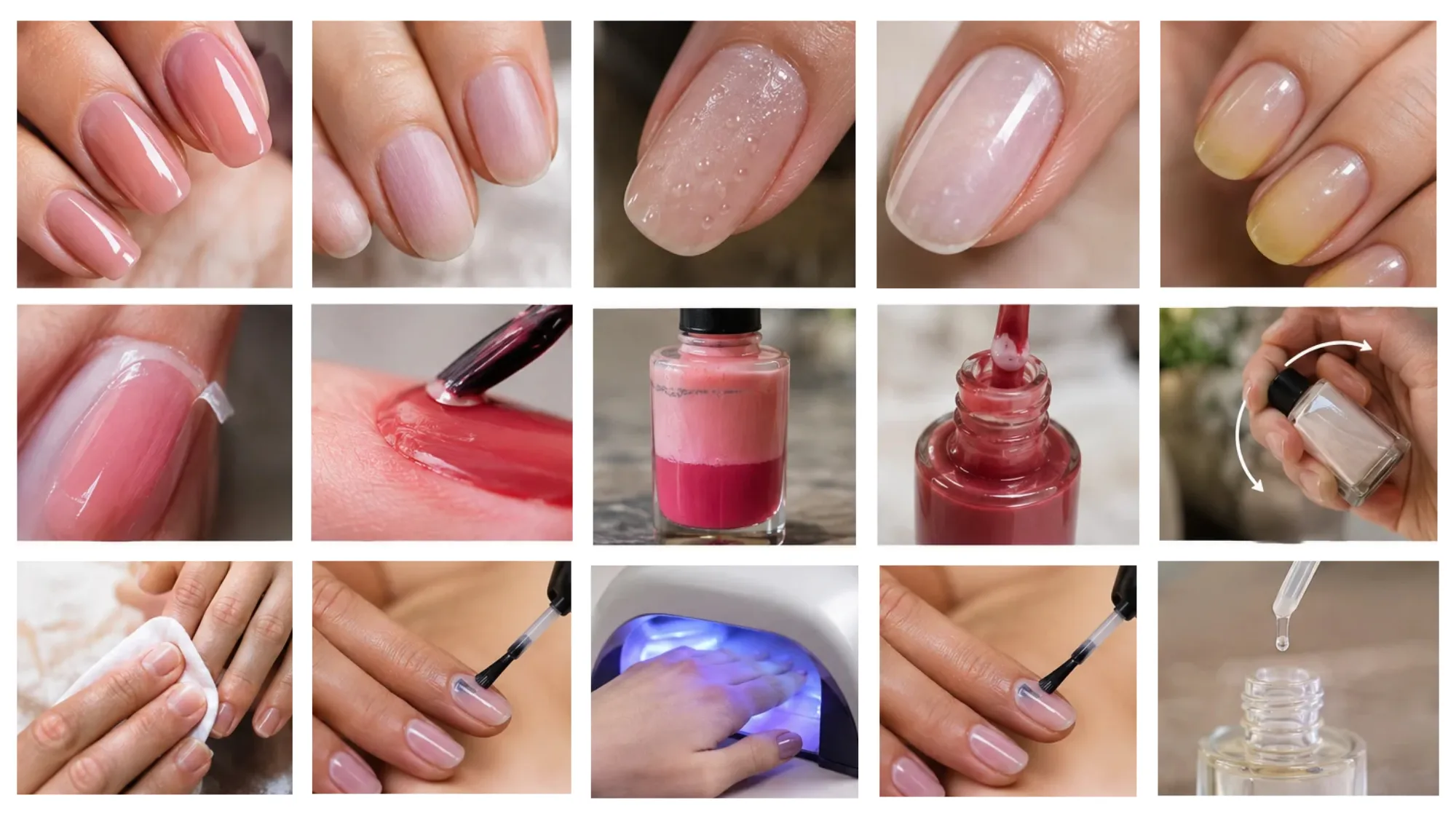
Nail polish is a simple chemical system beneath all that color and shine: pigment suspended in a resin film, dissolved in quick-evaporating solvents. If your top coat keeps bubbling, peeling, or turning dull or yellow within days, almost every failure traces back to a disruption in that system, whether during application, drying, or slowly over time in the bottle. Many online tips tend to treat each of these issues as separate mysteries with their own random solutions. But actually, they're all connected, and the fixes are more straightforward than you might think.
Before going further, it's worth answering a more basic question first, since people often ask whether a top coat helps nail polish last longer, or wonder what happens if they don't use one at all. Skipping a top coat leaves your color coat's pigment layer directly exposed to friction and chemical contact, with nothing to protect it, which is why bare color chips and dulls far faster than a properly top-coated manicure.
Why does my top coat turn dull?
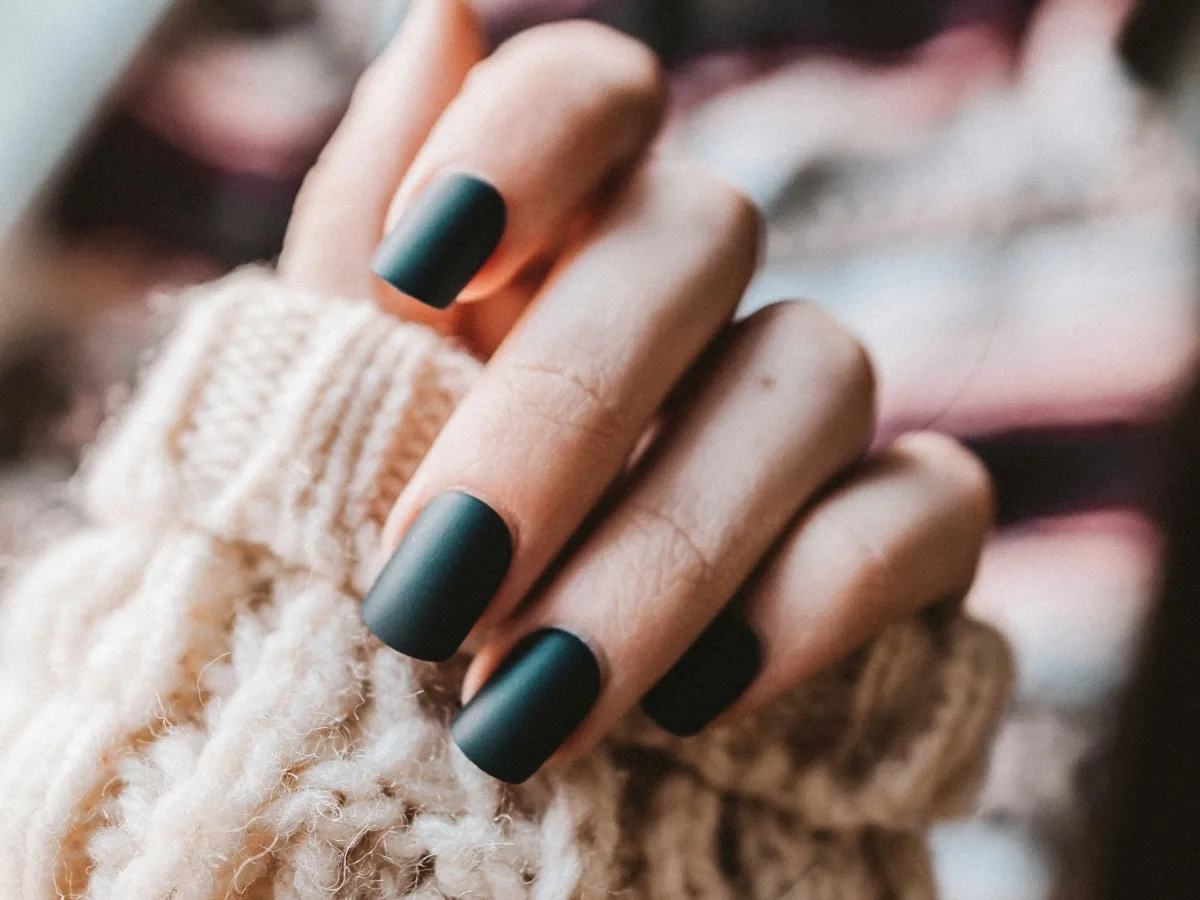
Dulling is the result of gradual wear on a surface that hasn't had enough time to fully harden. Nail polish may feel dry within 20-30 minutes because the top layer of solvent evaporates quickly, but the underlying film continues to harden over 24-48 hours as the solvent slowly escapes from deeper within the layer. During this period, anything that touches the surface — hand sanitizer, dish soap, sunscreen, even repeated friction from typing — can disturb the setting process, leaving the surface looking slightly rough and less reflective once it's fully hardened.
With gel systems, let the color cool for about 30 seconds before applying the top coat, and wait at least 60 seconds after the final cure before touching your nails. This one habit prevents most day-one dulling.
It's interesting to note that the same top coat can appear shiny and glassy on a relaxed Sunday and look duller after a busy day. It's not the product, but your activity level, that influences the appearance. A related but different problem is a clear coat turned milky or cloudy rather than simply dull — this is usually blooming (or blushing), where humidity gets trapped in the film during unusually fast solvent evaporation. It shows up more in humid weather or with very fast-drying formulas, and it's a separate mechanism from everyday wear-based dulling.
Why does my top coat bubble?
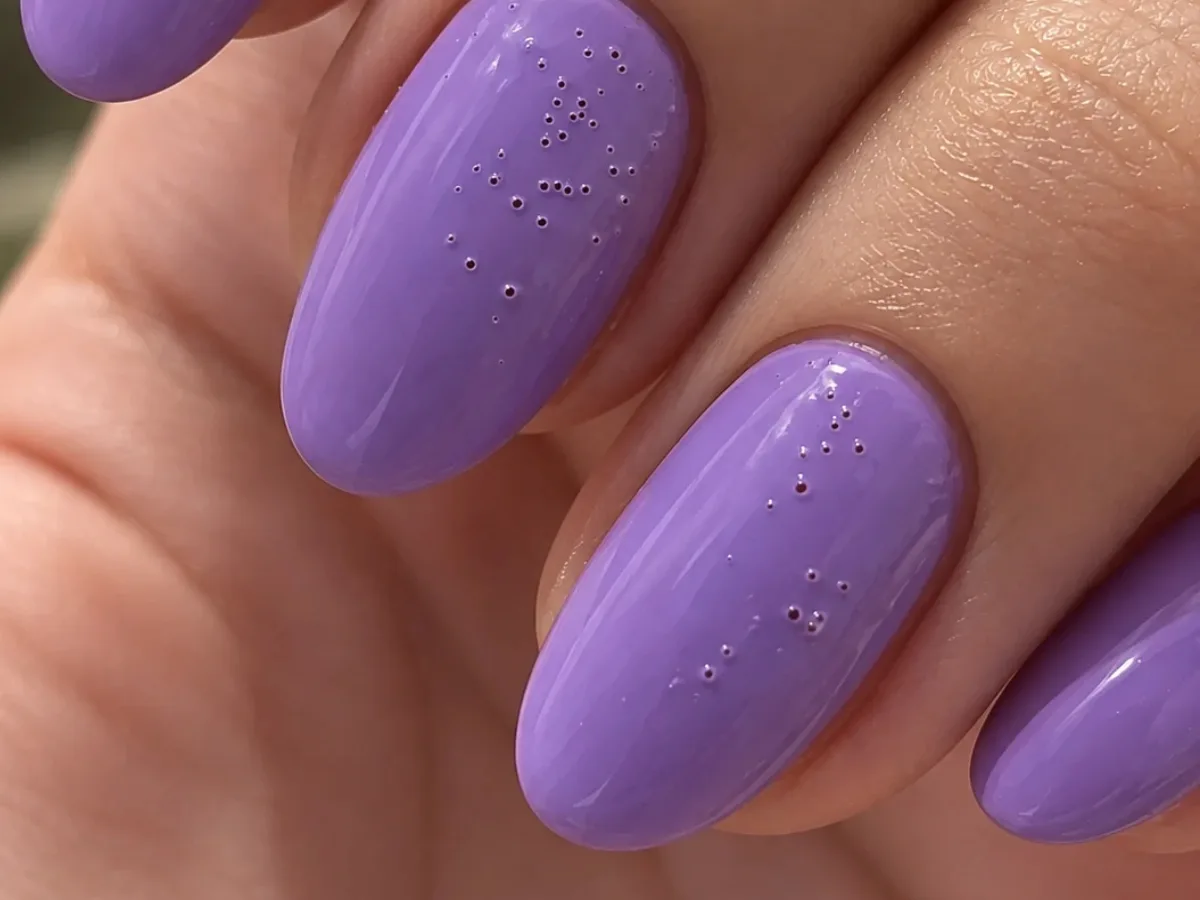
Bubbling happens when air gets trapped in the film before it dries, for two main reasons:
- Mechanical — shaking the bottle instead of rolling it between your palms pushes air directly into the polish. Pumping the brush in and out does the same on a smaller scale.
- Chemical — as polish ages and thickens from solvent evaporation, its higher viscosity traps air more easily and slows leveling, giving less chance for air to escape before the surface dries. This same solvent loss also causes top coat shrinkage, where an aging formula pulls in on itself instead of leveling smoothly.
Roll the bottle instead of shaking it, and wipe nails with remover before painting to clear leftover cuticle oil or lotion, which can also trap uneven pockets of air.
Why won't my top coat dry or cure?
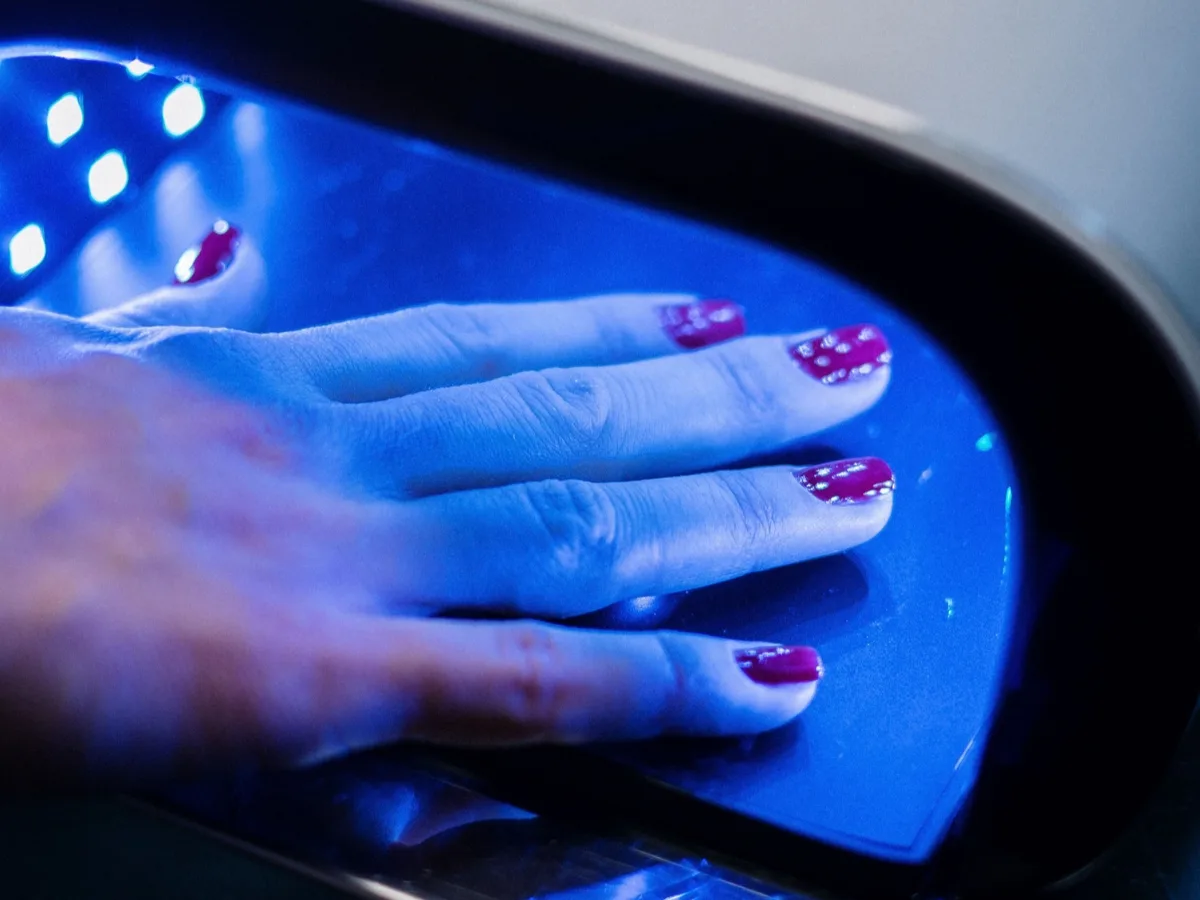
"Dry" and "cure" are two different processes. Regular nail polish dries as solvents evaporate — best in a warm, dry environment around 70-75°F (21-24°C) with less than 50% humidity. Gel/UV polish instead cures through polymerization, triggered by specific light wavelengths rather than evaporation.
A thin tacky layer right after curing is often normal — caused by oxygen interfering with the very top layer of polymerization, which is exactly what the post-cure wipe is for. Tackiness that persists after a proper wipe is usually a real cure problem, most often an underpowered or aging lamp.
Check your lamp's wattage — anything below 24W tends to be underpowered for modern gel formulas, while 36-48W gives more reliable results. Bulbs also weaken with age even if they still light up normally.
Why does my top coat turn yellow?
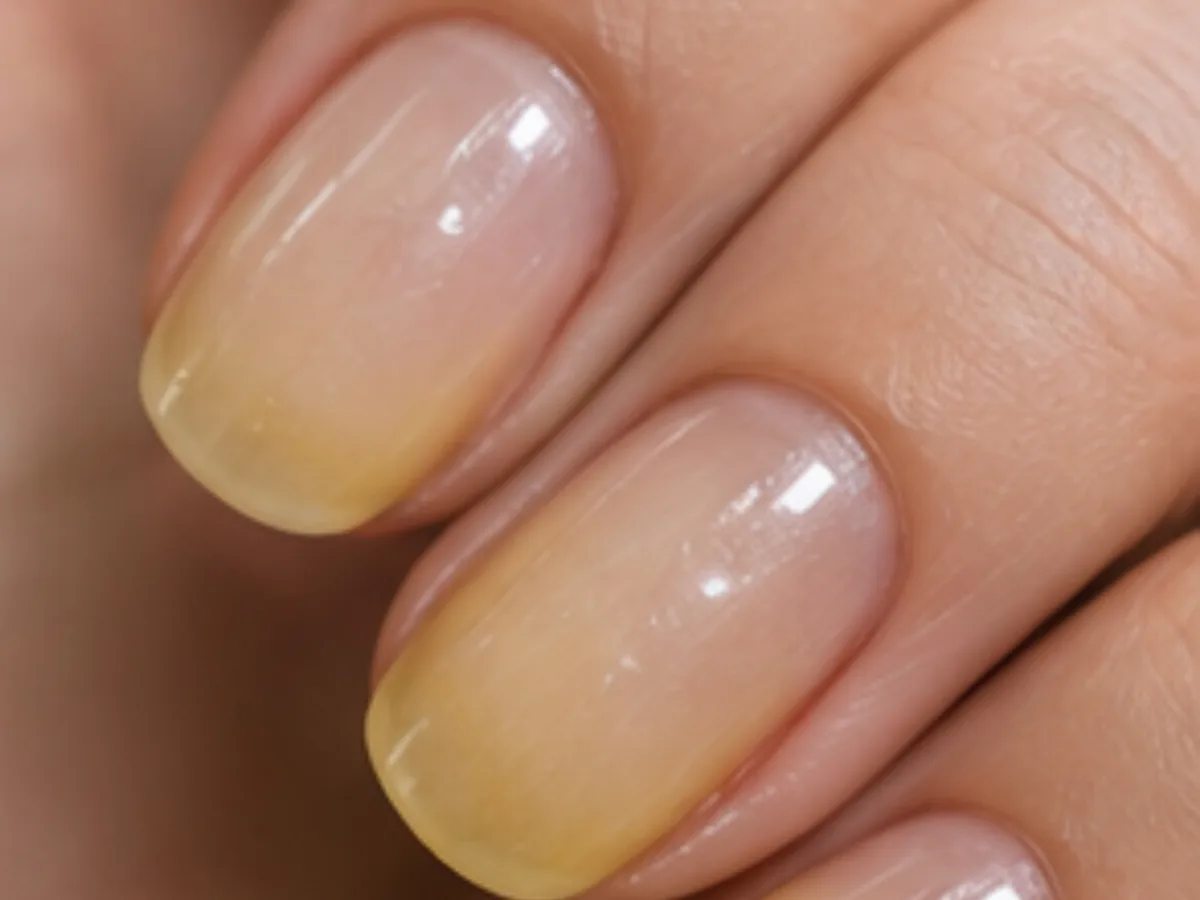
Yellow nails and a yellowing top coat are two different things. When nails turn yellow, pigment is staining the nail plate directly — darker, warmer colors like reds and oranges stain more easily than cooler shades. A base coat is what actually prevents this, not a thicker top coat.
When the top coat itself yellows, it's the polymer film discoloring, for two reasons:
- UV exposure breaking down chemical bonds in the resin, creating byproducts that absorb light differently over time. Some formulas include UV absorbers that convert UV radiation into harmless heat instead of blocking it outright.
- Older formulas made with nitrocellulose — a resin used for decades for its affordability and film-forming strength — tend to yellow more easily under oxidative stress than newer, specially engineered resins.
If you spend a lot of time in the sun, switch to a formula marketed as non-yellowing. Once yellowing has actually happened, it's a genuine discoloration of the cured film — a buff or cleanser won't reverse it.
Why does my top coat peel off, or seem to "melt" my color coat?
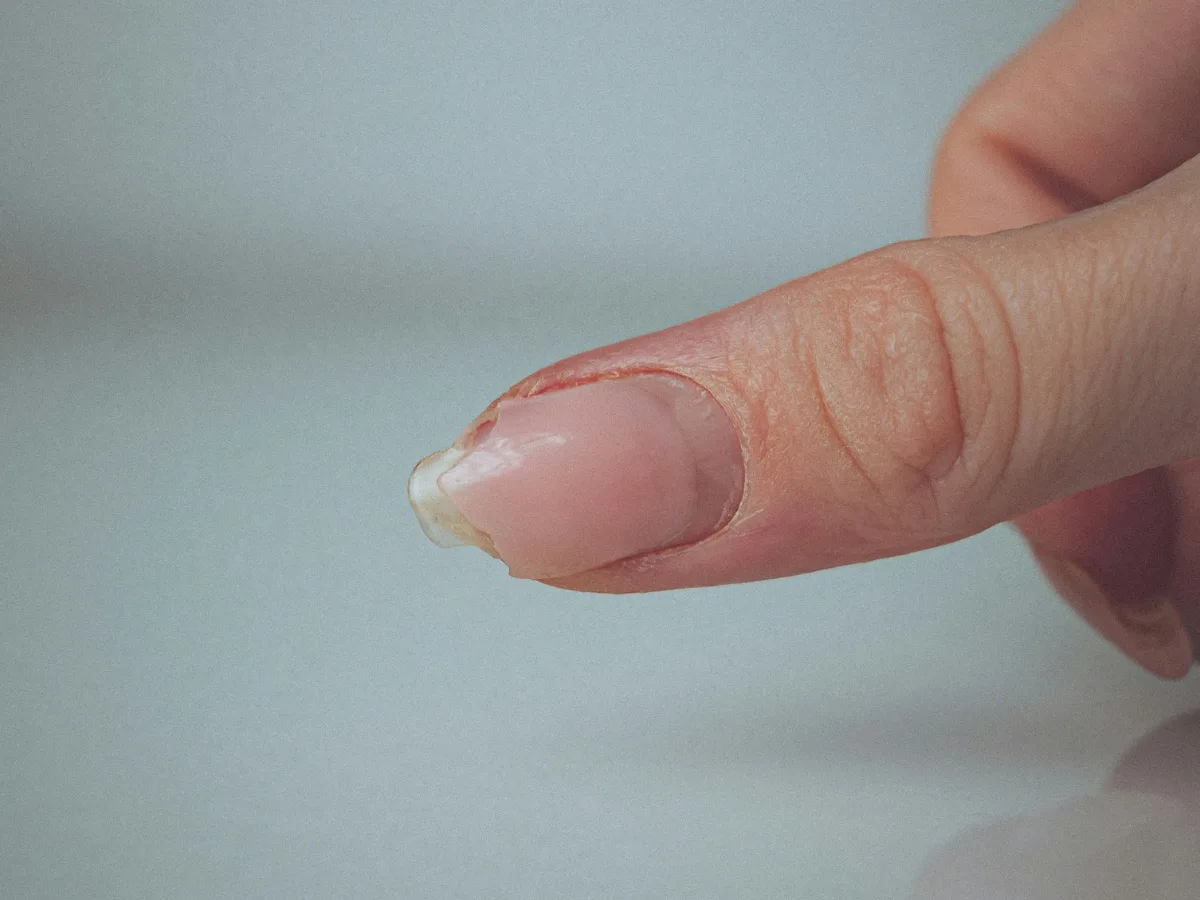
Peeling usually starts at an edge — often from polish applied over nails with residual oil, or from skipping the "cap" (running the brush fully over the nail's free edge), which creates a seam where lifting can begin. Even highly-rated formulas can peel within 24-72 hours if you skip proper prep, while lasting over a week when prepped correctly — the product matters less than your routine.
"Melting" is a different problem: applying a top coat before the color has fully hardened lets its solvents partially dissolve the soft layer underneath, pulling pigment along as you brush.
For peeling: wipe nails with alcohol or remover and use a solid base coat for proper adhesion. For melting: give your color a few extra minutes to set before applying the top coat.
Why does my polish separate, get thick, or stop performing the way it used to?
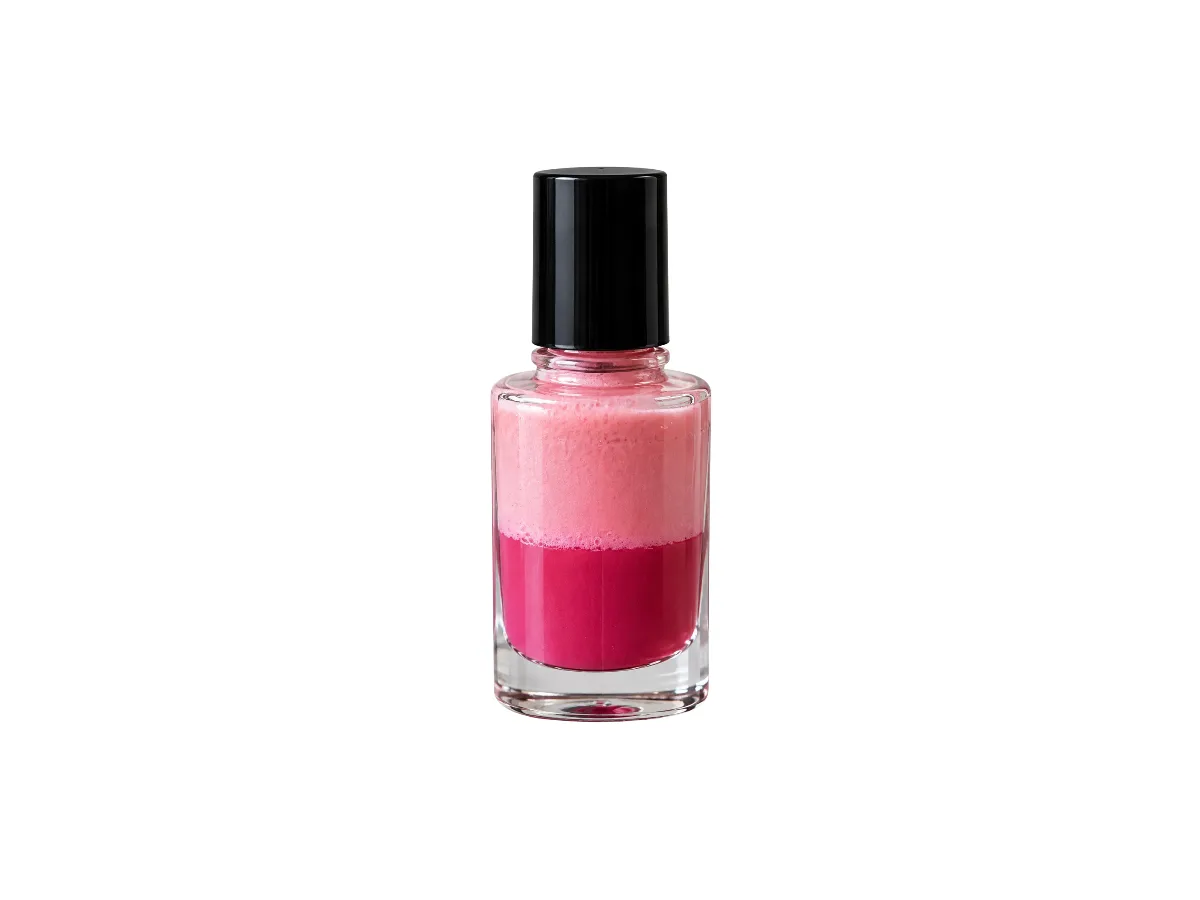
Nail polish is a suspension of pigment and resin in solvent. Even in a sealed bottle, solvent slowly evaporates — faster with heat — thickening the polish as the resin-to-solvent ratio changes. As it thickens, pigment settles and separates, which can also cause the dullness and bubbling problems covered above.
Whether separated polish is still good comes down to a simple test: if a good roll (never a shake) brings it back to an even liquid, it's still usable. If it comes back with solid clumps that won't smooth out, it's done. Polish typically stays good for about 12-24 months before degrading this way, regardless of storage care.
Roll gently instead of shaking, and store bottles upright away from heat. If regular polish gets too thick, a proper nail polish thinner can often revive it — unless it's badly clumped, in which case it's time to replace it.